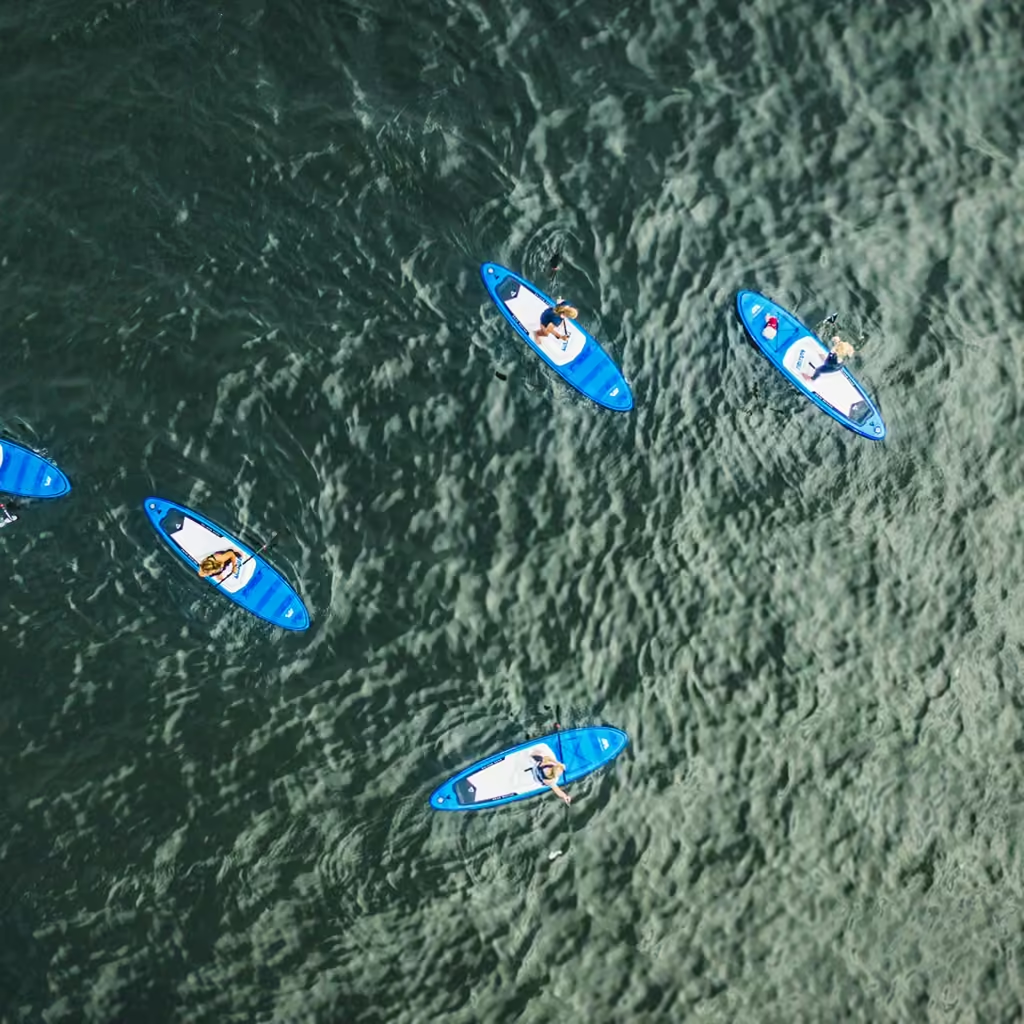
Where is the best place to kayak in Norway?
Some of the top kayaking spots include Nærøyfjord, Geirangerfjord, the rugged Helgeland coast, the Lofoten Islands, Hardangerfjord, and the iconic Sognefjord—each offering a mix of accessibility, beauty, and scenery ideal for paddlers
What to wear when kayaking in Norway?
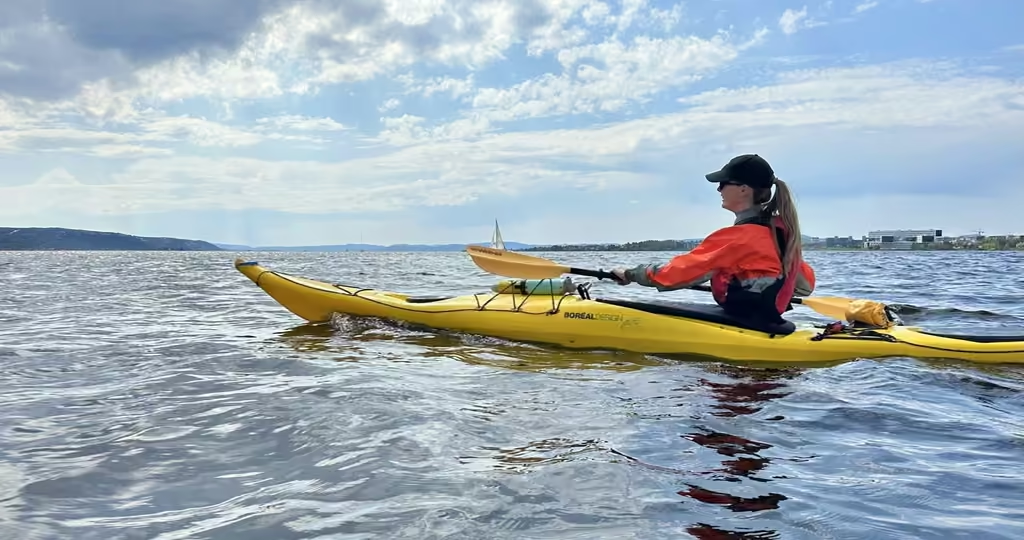
Layer smart with moisture-wicking base layers, an insulating mid-layer, and a waterproof or neoprene outer layer. Add gloves, a hat or buff, and essential thermal protection like a wetsuit or drysuit to stay safe in variable and often cold coastal or fjord conditions.
What is the best time of day to go kayaking?
Early morning or late afternoon paddles are ideal—winds tend to be lighter, water calmer, and the lighting more scenic. Midday can bring stronger winds, choppier water, and increased boat traffic.
Where can I legally kayak?
In Norway, you’re free to kayak on most public waters—lakes, rivers, fjords, and coastal inlets—thanks to allemannsretten (the right to roam), as long as you respect private land, protected areas, and follow basic environmental rules.
What side of the river should you kayak on?
Paddle on the right-hand side of the channel, following the same convention as road traffic, to stay predictable and safe, especially when encountering other paddlers, boats, or river traffic.
How difficult is sea kayaking?
Sea kayaking brings extra factors like waves, currents, tides, wind, and colder water, making it more challenging than flat-water paddling. Still, beginners can manage well—with proper training, appropriate gear (e.g. wetsuit/drysuit), and good planning.
Is Oslo fjord worth visiting?
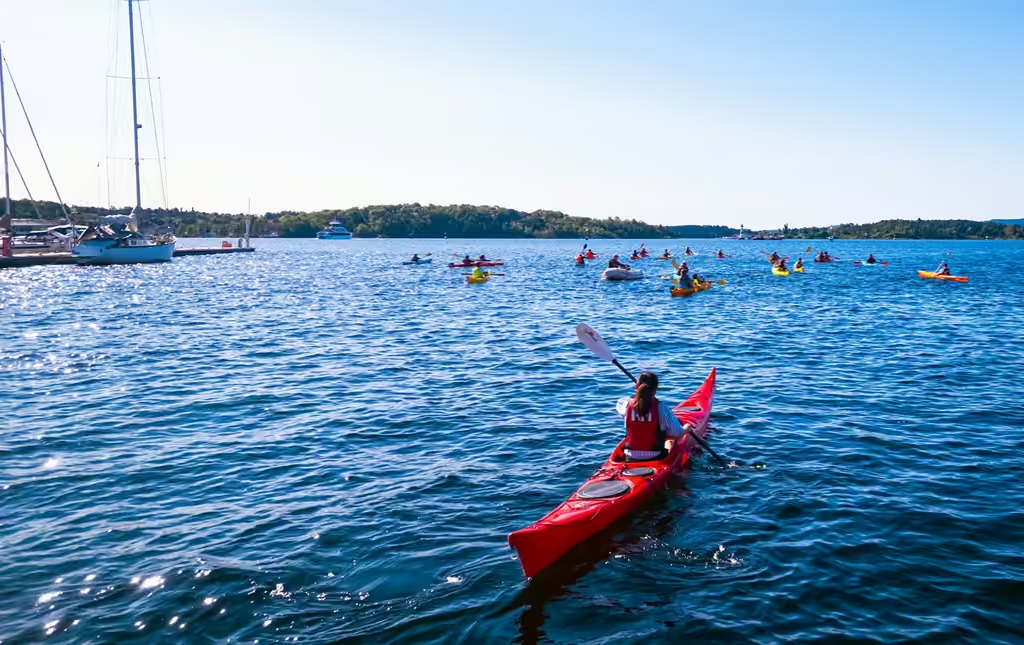
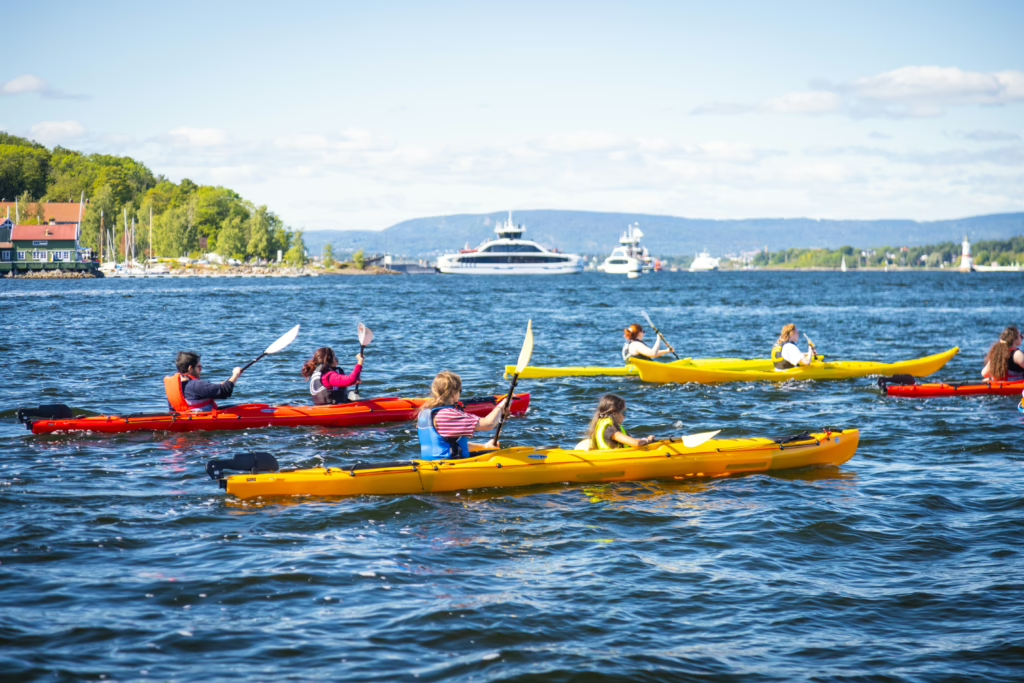
Absolutely—it’s a scenic inlet stretching some 120 km from Oslo, offering calm waters, island exploration, and easy access right from the city. Perfect for urban paddling adventures
How do I get from Oslo to the fjords?
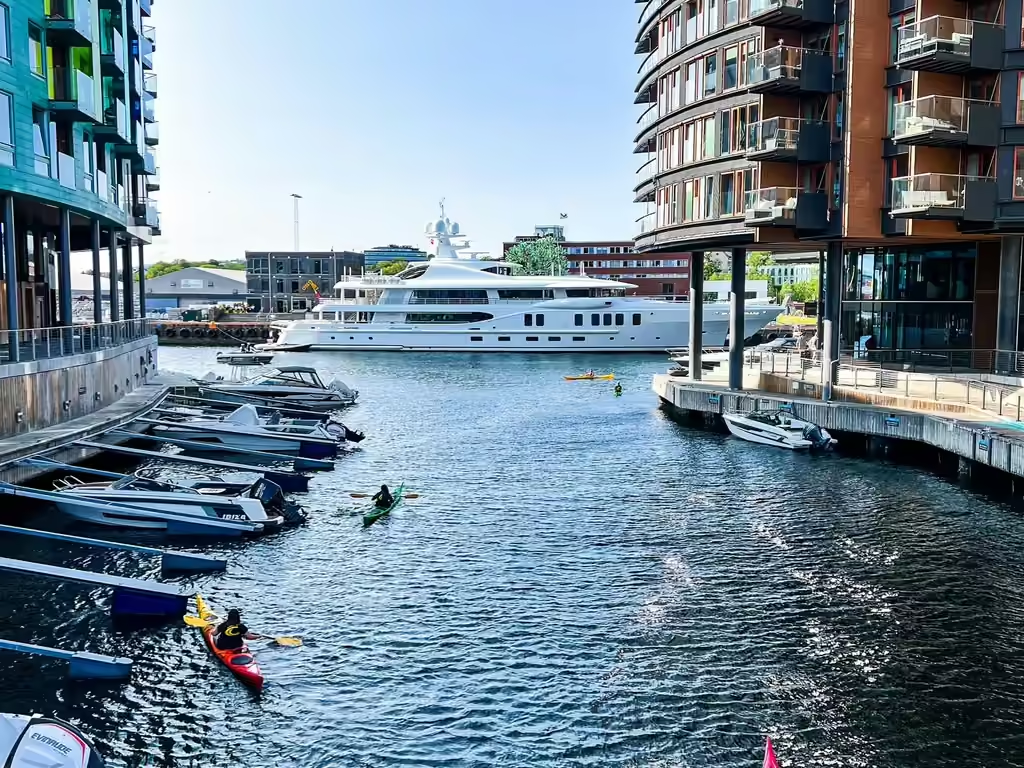
You can reach fjord regions via the Bergen Line train and regional buses, or take ferries and kayak tours departing directly from central Oslo (e.g. Aker Brygge or Bygdøy), with guided trips often including transport .
How expensive is Oslo?
Oslo is among Europe’s more expensive capitals—dining, hotels, and activities run above average. However, costs can be mitigated by cooking, using public transport, and taking advantage of city passes like the Oslo Pass.
Is Oslo fjord a real fjord?
Yes and no. Locally it’s called “Oslofjord” and treated like a fjord, but geologically it’s a broad inlet rather than a true glacier-carved fjord.
Is the Oslo Pass worth it?
Generally yes—for visitors planning multiple days in Oslo who want museums, free public transport (zones 1–4 via Vy/Ruter), museum-ferry access, and attraction discounts, the Oslo Pass usually offers great value
How much is the fine for kayaking without a license?
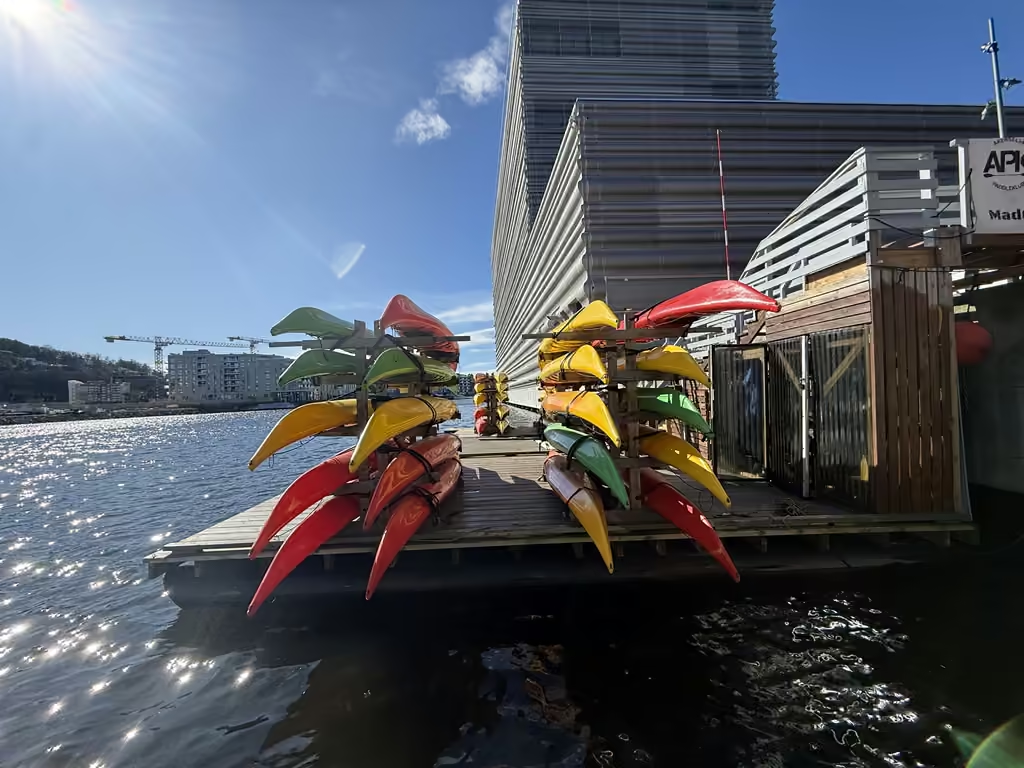
There’s no government kayak license needed, so no related fines. But rental companies require a Våttkort (wet card) for sea kayak rentals—without it, they may refuse service but won’t fine you.
Do you have to pay to kayak on a river?
No—thanks to the right to roam, kayaking on public rivers and lakes is free. Charges apply only if you rent gear, join guided tours, or camp in regulated areas.
Do you need to be able to swim to go kayaking?
Yes—basic swimming ability plus knowledge of self-rescue is strongly recommended. Always wear a life jacket (PFD) even if you’re a confident swimmer.
Do I need to wear a life jacket when kayaking?
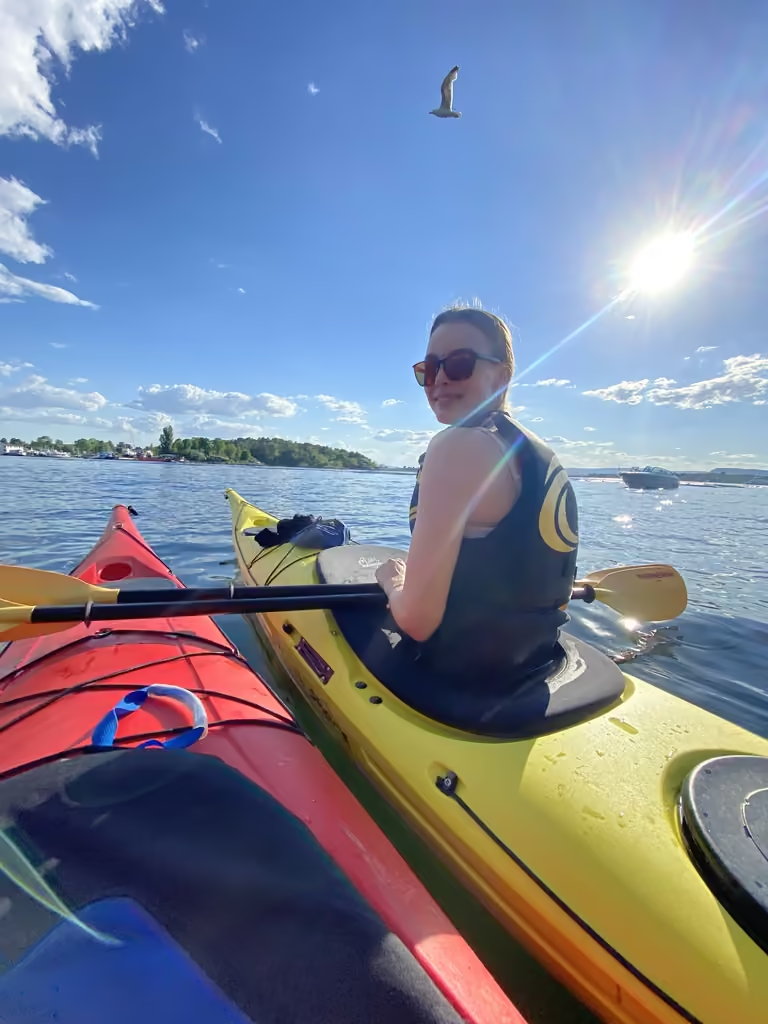
Absolutely—Wearing a properly fitted PFD is the standard safety practice and strongly advised for all kayakers, regardless of experience or water type.
Is kayaking good exercise?
Definitely—kayaking offers excellent upper-body and core strength training, improves cardiovascular fitness, and is low-impact, making it a highly beneficial outdoor activity.
Where can I find my Våttkort?
You earn one by completing a basic sea kayaking course—offered by providers like the Norwegian Canoe Association or kayak schools. Upon passing paddling and rescue assessments, you receive the Våttkort, which is recognized across rental shops.
Can you paddle a kayak on your own?
Yes—solo kayaking is common and completely doable. Just make sure you’re skilled in paddling, navigation, and self-rescue, and always share your route and schedule with someone before heading out.
How fast can you paddle in a kayak?
Recreational paddlers typically average 4–6 km/h (2.5–4 mph). With training, ideal gear, and good conditions, speeds of 7–9 km/h are achievable over shorter distances.